
A practical guide to Karl Fischer titration for water content in pharma intermediates
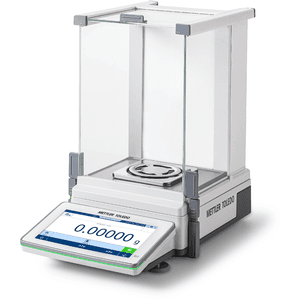
Karl Fischer titration is the workhorse for water content in pharma intermediates but it's also the technique I see analysts fight with most when a method is new on their bench. Here's the orientation I wish every analyst got on day one.
Volumetric or coulometric pick by water content
The decision is straightforward and the wrong call wastes weeks. Coulometric KF covers roughly 1 ppm to 5% water and is the right choice for dry intermediates, APIs, and most solid-state pharma samples. Volumetric KF covers ~100 ppm to 100% water and is the right choice for solvents, syrups, and wet excipients. Outside those ranges you'll fight noise (coulometric) or precision (volumetric).
Sample preparation is most of the method
Solid samples with very low water content drift quickly once exposed to the room. Weigh into a septum vial inside a glove bag, inject through the septum, and document the elapsed time from weighing to injection in your SOP. For sticky or insoluble samples, oven evaporator coupling beats forcing dissolution in a single solvent.
Drift troubleshooting in three minutes
If the baseline drift won't stabilize: check the molecular sieves on the dry-air inlet, confirm the desiccant in the titration cell isn't spent, then look at the septum for damage. Eighty percent of drift complaints resolve at that level. Replace the reagent only after exhausting those.
What to put in your SOP
Drift acceptance criterion. Recovery on a water standard at the start of every shift. The clock on sample handling. A second-line reviewer signature on the weighing record. Methods that document these survive audits without follow-up findings.

More from Technique Guides
Optimizing HPLC column selection for impurity profiling in API manufacturing
Column chemistry decisions made in method development echo through every release batch. A practical framework for choosing C18 alternatives when impurity peaks won't separate.
What the 2025 USP <467> revision means for residual solvents testing in MENA
The latest revision tightens Class 2 solvent limits and reshapes the validation work pharma QC labs in Egypt and the GCC need to plan for in 2026.
Have a question about your application?
Our applications team can walk through method development, instrument selection, or compliance scoping for your lab. Tell us what you're working on.
Talk to an applications specialist
Send a short note and we'll match you with the right engineer on our team.